
Infrastructure

Infrastructure

IT Infrastructure forms the foundation of modern digital ecosystems, enabling organizations to operate securely, efficiently, and at scale. A well-architected infrastructure ensures seamless connectivity, high availability, and optimized resource utilization. As businesses evolve, key aspects such as DevSecOps solutions, virtual environment management, and cybersecurity play a crucial role in maintaining system integrity and performance. Additionally, practices like performance testing and IT outsourcing help organizations enhance reliability and adapt to changing demands. A robust IT infrastructure is essential for driving innovation and sustaining long-term business growth.

DevSecOps Solutions

DevSecOps solutions are transforming digital infrastructure by integrating security into the software development lifecycle, addressing the increasing costs of cyber breaches, which averaged $4.35 million in 2022. This approach shifts security from a gatekeeping function to a collaborative, proactive role that enhances both security and development efficiency. Key components of modern DevSecOps architecture include continuous security testing, infrastructure as code (IaC) security, and automated compliance monitoring. It also emphasizes security-first design principles, where security decisions are made early in the development process, reducing vulnerabilities.

Selecting the right SMEs involves balancing technical qualifications, industry experience, and cultural fit. A systematic approach ensures that SMEs possess the necessary certifications, hands-on experience, and communication skills to support projects effectively. Additionally, knowledge transfer and proper documentation are crucial to overcoming challenges in outsourcing. A structured knowledge-sharing framework can significantly reduce time wasted on information retrieval and improve project efficiency.

FORFIRM offers tailored IT outsourcing solutions, providing expertise across critical areas such as DevOps, cybersecurity, cloud engineering, and RPA. By integrating SMEs into their outsourcing model, FORFIRM ensures seamless project execution, optimized IT operations, and improved client outcomes. Their approach to IT outsourcing combines flexibility, technical knowledge, and a deep understanding of client needs, enabling businesses to achieve their IT goals while reducing operational complexity and costs.

Management of virtual environments

Virtual machines (VMs) are essential in modern enterprise infrastructure, offering flexibility and resource efficiency. However, managing VMs efficiently presents challenges such as performance issues, resource wastage, and security vulnerabilities.

Key components of virtual infrastructure include virtualized compute, storage, and networking, each working together to enhance resource allocation and management. Effective resource optimization involves managing CPU, memory, and storage to ensure peak performance without wasting capacity. Techniques like solid-state drives (SSDs) for critical workloads and dynamic tiering for storage can significantly improve performance. Network performance tuning helps manage data traffic and reduce delays.

Automation tools like orchestration platforms and autoscaling help streamline VM management, reducing manual labor and ensuring operational efficiency. Monitoring tools provide real-time insights into the environment, while automated alerts notify teams of performance changes.

A strong security framework is essential, incorporating access control, network isolation, and compliance management. Security tools like Microsoft Entra ID, Azure Policy, and Defender for Servers help safeguard the infrastructure.

FORFIRM offers expertise in managing virtual environments, including provisioning, optimization, automation, and security, helping organizations maintain efficient and secure infrastructures that meet business needs.

Cybersecurity

Cybersecurity has become a critical business priority as cyber attacks evolve, with organizations losing an average of $4.35 million per breach. This guide explores how organizations can enhance digital infrastructure resilience using established frameworks, such as the NIST cybersecurity framework and zero-trust principles. It covers identifying system vulnerabilities, implementing robust security measures, and ensuring business continuity.
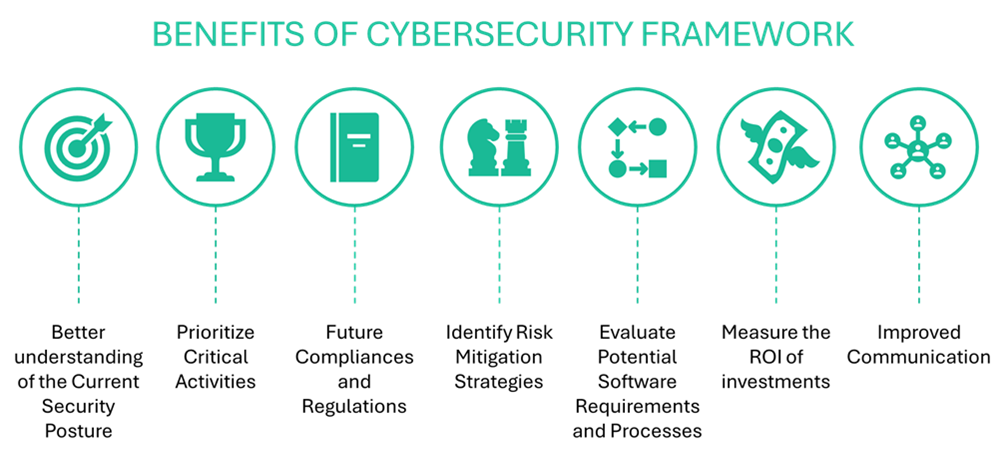
The digital landscape is filled with vulnerabilities, including compromised credentials, unpatched software, and malware. A systematic risk classification framework helps organizations prioritize vulnerabilities for effective remediation. A comprehensive security framework integrates multi-layered defenses, such as perimeter security, network segmentation, and endpoint protection, alongside robust authentication protocols like multi-factor authentication (MFA). Advanced protection measures, including AI-powered threat detection, blockchain-based security, and zero-trust architecture, further fortify defenses. These technologies enable rapid threat detection, enhanced security, and proactive mitigation. Additionally, business continuity planning through redundancy and failover systems ensures operational resilience.
FORFIRM offers a holistic cybersecurity approach, from risk assessment and zero-trust strategy implementation to advanced endpoint protection and continuous monitoring. By following this comprehensive workflow, businesses can safeguard their digital assets, improve threat detection, and recover swiftly from incidents, ensuring long-term cybersecurity resilience.

Performance test

Performance testing is crucial for preventing infrastructure issues that can lead to costly downtime, with businesses losing $5,600 every minute during system failures. Modern performance testing tools have advanced significantly, providing comprehensive evaluations for complex digital infrastructures. This article outlines strategies for developing robust performance testing frameworks tailored to cloud-native architectures, containerized environments, and distributed systems.

Key components of performance testing include:

  1. load testing
  2. stress testing
  3. scalability testing
  4. latency testing
    Automation tools streamline the process by integrating testing into Continuous Integration/Continuous Deployment (CI/CD) pipelines, enabling early issue detection and reducing manual efforts. Infrastructure as Code (IaC) testing ensures consistent, reliable deployments, addressing challenges like configuration drift and resource sprawl.
Resource optimization strategies, such as dynamic resource allocation testing, help minimize costs while maximizing performance. Cost-performance analysis and capacity planning ensure efficient resource usage, improving system responsiveness and reducing downtime. Advanced testing scenarios, like multi-region and disaster recovery testing, ensure that systems are resilient under diverse conditions.
FORFIRM employs a structured approach to performance testing, using protocols and test scripts to simulate real-world scenarios. The process includes defining test scenarios, selecting protocols, executing tests, and generating detailed reports that offer actionable insights.
By implementing these strategies, organizations can avoid performance issues, optimize resources, and maintain a reliable, high-performing infrastructure.

IT outsourcing & SME’s

Subject Matter Experts (SMEs) play a pivotal role in the success of IT outsourcing projects by bridging the gap between internal teams and outsourcing partners. They bring specialized expertise in specific technologies, systems, and processes, ensuring high-quality deliverables, effective communication, and strategic solutions throughout the outsourcing lifecycle. SMEs help define technical solutions, ensure compliance with industry standards, develop training programs, and improve processes, directly influencing project success rates.

To successfully implement DevSecOps, organizations must focus on assessment, technology selection, and change management. By automating security tasks such as vulnerability scanning and penetration testing, DevSecOps reduces human error and accelerates the development cycle. Measuring success involves tracking key performance indicators (KPIs) such as vulnerability tracking, recovery times, and compliance adherence, which help calculate ROI and performance improvements.

FORFIRM supports organizations through each phase of DevSecOps implementation, including assessment, tool selection, and automation, ensuring a secure, efficient development environment. With security automation and a collaborative approach, DevSecOps not only improves security but also accelerates time-to-market and reduces operational costs. Embracing DevSecOps is essential for organizations looking to build secure applications while maintaining agility in their development processes.
We use cookies to personalise content and ads, to provide social media features and to analyse our traffic. We also share information about your use of our site with our social media, advertising and analytics partners. View more
Cookies settings
Accept
Privacy & Cookie policy
Privacy & Cookies policy
Cookie name Active
At FORFIRM, accessible from www.forfirm.com, one of our main priorities is the privacy of our visitors. This Privacy Policy document contains types of information that is collected and recorded by FORFIRM and how we use it. If you have additional questions or require more information about our Privacy Policy, do not hesitate to contact us. This Privacy Policy applies only to our online activities and is valid for visitors to our website with regards to the information that they shared and/or collect in FORFIRM. This policy is not applicable to any information collected offline or via channels other than this website.

CONSENT

By using our website, you hereby consent to our Privacy Policy and agree to its terms.

INFORMATION WE COLLECT

The personal information that you are asked to provide, and the reasons why you are asked to provide it, will be made clear to you at the point we ask you to provide your personal information. If you contact us directly, we may receive additional information about you such as your name, email address, phone number, the contents of the message and/or attachments you may send us, and any other information you may choose to provide. When you register for an Account, we may ask for your contact information, including items such as name, company name, address, email address, and telephone number.

HOW WE USE YOUR INFORMATION

We use the information we collect in various ways, including to:
  • Provide, operate, and maintain our website
  • Improve, personalise, and expand our website
  • Understand and analyse how you use our website
  • Develop new products, services, features, and functionality
  • Communicate with you, either directly or through one of our partners, including for customer service, to provide you with updates and other information relating to the website, and for marketing and promotional purposes
  • Send you emails
  • Find and prevent fraud

LOG FILES

FORFIRM follows a standard procedure of using log files. These files log visitors when they visit websites. All hosting companies do this and a part of hosting services' analytics. The information collected by log files include internet protocol (IP) addresses, browser type, Internet Service Provider (ISP), date and time stamp, referring/exit pages, and possibly the number of clicks. These are not linked to any information that is personally identifiable. The purpose of the information is for analysing trends, administering the site, tracking users' movement on the website, and gathering demographic information.

COOKIES AND WEB BEACONS

Like any other website, FORFIRM uses 'cookies'. These cookies are used to store information including visitors' preferences, and the pages on the website that the visitor accessed or visited. The information is used to optimize the users' experience by customizing our web page content based on visitors' browser type and/or other information. For more general information on cookies, please read"What Are Cookies".

ADVERTISING PARTNERS PRIVACY POLICIES

You may consult this list to find the Privacy Policy for each of the advertising partners of FORFIRM. Third-party ad servers or ad networks uses technologies like cookies, JavaScript, or Web Beacons that are used in their respective advertisements and links that appear on FORFIRM, which are sent directly to users' browser. They automatically receive your IP address when this occurs. These technologies are used to measure the effectiveness of their advertising campaigns and/or to personalize the advertising content that you see on websites that you visit. Note that FORFIRM has no access to or control over these cookies that are used by third-party advertisers.

THIRD PARTY PRIVACY POLICIES

FORFIRM's Privacy Policy does not apply to other advertisers or websites. Thus, we are advising you to consult the respective Privacy Policies of these third-party ad servers for more detailed information. It may include their practices and instructions about how to opt-out of certain options. You can choose to disable cookies through your individual browser options. To know more detailed information about cookie management with specific web browsers, it can be found at the browsers' respective websites.

CCPA PRIVACY RIGHTS (DO NOT SELL MY PERSONAL INFORMATION)

Under the CCPA, among other rights, California consumers have the right to: Request that a business that collects a consumer's personal data disclose the categories and specific pieces of personal data that a business has collected about consumers. Request that a business delete any personal data about the consumer that a business has collected. Request that a business that sells a consumer's personal data, not sell the consumer's personal data. If you make a request, we have one month to respond to you. If you would like to exercise any of these rights, please contact us.

GDPR DATA PROTECTION RIGHTS

We would like to make sure you are fully aware of all of your data protection rights. Every user is entitled to the following: The right to access – You have the right to request copies of your personal data. We may charge you a small fee for this service. The right to rectification – You have the right to request that we correct any information you believe is inaccurate. You also have the right to request that we complete the information you believe is incomplete. The right to erasure – You have the right to request that we erase your personal data, under certain conditions. The right to restrict processing – You have the right to request that we restrict the processing of your personal data, under certain conditions. The right to object to processing – You have the right to object to our processing of your personal data, under certain conditions. The right to data portability – You have the right to request that we transfer the data that we have collected to another organization, or directly to you, under certain conditions. If you make a request, we have one month to respond to you. If you would like to exercise any of these rights, please contact us.
Save settings
Cookies settings